
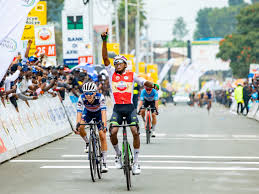
As Rwanda welcomes the UCI championships, the city fills with cheering crowds and spinning wheels. Watching a bike roll forward is a great way to think about life: you choose a direction, carry a certain load, speed up or slow down, and deal with sunshine or rain. That’s mental health in motion; simple, practical, and human.
Hold the handlebars: choose your direction
When your hands touch the handlebars, the bike goes where you guide it. In life, your “handlebars” are your daily choices like what you watch, who you talk to, how you speak to yourself.
- Keep your hold steady, not tight. Over-controlling every moment leads to stress.
- Pick one clear direction each morning: “Today I’ll respond calmly,” or “I’ll finish one important task.”
Lighten the backpack: choose your load
Riding with a heavy backpack makes every small hill feel huge. We all carry things we don’t need; old worries, other people’s expectations, too many commitments.
Ask yourself:
- What can I put down? (A task to delegate, an extra promise, a harsh story about myself.)
- What must stay? (My values, real responsibilities, the relationships that matter.)
A lighter load doesn’t mean you’re avoiding life. It means you’re riding smart.
Brakes and the go-pedal: pace is power
Good riders use both. So should we.
- Brakes = boundaries and rest. Say “not today,” pause before replying, stop scrolling after a set time. Brakes prevent crashes.
- Go-pedal = small steps forward. Make the call, drink the water, take a 10-minute walk, book the therapy session. Tiny pushes build momentum.
When the go-pedal is too heavy, thoughts feel heavy too, everything urgent, and nothing clear. Choose light, steady pushes instead of all-out sprints.
Find a steady rhythm
Think of a smooth, comfortable pace. That’s how your day should feel most of the time.
- If your mind is racing: slow your breathing (inhale 4, exhale 6) and cut your to-do list to three essentials.
- If you feel stuck: do one 5-minute task. Then another. Motion creates motivation.
Weather happens: have a rain plan
We don’t control the weather. Sometimes it pours. In life, tough times show up; loss, conflict, money worries, illness.
You still have choices: wait it out, take another route, or ride with a jacket.
Your rain plan might include:
- Peace: prayer, breathwork, quiet time, a short walk.
- Awareness: journaling, mood tracking, a counseling check-in.
- Protection: sleep routine, simple meals, supportive people, a manageable schedule.
- Options: switch to a phone or online session, break big tasks into shorter blocks, reschedule when needed.
Rain doesn’t make you weak. Preparing makes you wise.
You don’t ride alone
Every rider goes farther with support. Your team can be family, friends, faith community, co-workers, or a counselor.
- Sit with someone while you both do quiet work.
- Walk and talk instead of texting.
- Share a simple meal.
Small connections take a big load off your mind and your body feels it with calmer breath and steadier energy.
Quick check-ups for mind and body
Bikes roll better with small, regular care. So do we.
- Eat regularly (balanced and simple).
- Drink water (dehydration can feel like anxiety).
- Sleep like it’s an appointment.
- Move your body a little each day.
- Limit noise (news, notifications) during set hours.
These tiny habits are the oil that keeps your day running smoothly.
When to stop and ask for help; NOW!
Hit the brakes and reach out quickly if you notice:
- Persistent hopelessness or dread
- Thoughts of self-harm or fear you might hurt yourself/others
- Days of not sleeping or eating
- Using alcohol or drugs most days to cope
- A loss or conflict that you can’t process alone
Strong people ask for help early.
A 5-minute “handlebar reset”
- Hands on thighs. Inhale 4, exhale 6, three times.
- Pick your line. Name one direction for today.
- Drop one item. Choose a worry or task to put down or delegate.
- Tap the brakes. Schedule a 10-minute no-notifications break.
- Press the go-pedal, lightly. Do one tiny action that matches your values.
Avoid over-training: protect your energy
Cycling too much without training can lead to exhaustion of feelings.
Same with life: if you work too much, it leads to burnout if there is no proper help.
Plan rest like you plan meetings, rotate demanding tasks with lighter ones, and check in with a friend or counselor when your load feels too heavy. Support turns effort into progress.
From Humura Counseling:
Just as the UCI is speeding up Rwanda’s growth, let this season speed up your personal wellbeing. If life feels like a headwind, we’re here to help you choose your direction, lighten your load, and ride with a plan at your pace and on your terms. Your wellbeing matters at every kilometer.